At a Glance
Compared to this destination's peak season December 2026 splits sharply: early month (Dec 1-22) is moderate with bonenkai year-end-party izakaya density; Christmas Eve Thu Dec 24 + the Fri-Sat-Sun three-day weekend Dec 25-27 is the year’s longest pre-NYE celebration window (Tokyo’s biggest date night); Dec 23-Jan 3 hotel rates double; Dec 29-31 Winter Comiket 109 adds 240,000+ attendees in Odaiba (Yurikamome line packed); Dec 31 Joya no Kane bell-ringing at Zojo-ji + Senso-ji + Naritasan; Jan 1-3 Hatsumode brings Meiji Jingu to 3M+ visitors + 1-3 hour queues. First week of January 2027 (Jan 5-12) value alternative with 50-70% rate drops. Mt Fuji clear-view from Skytree peaks ~60% (tied with January).
Tokyo in December — Travel Guide
By Harry Nara · Last updated
Tokyo in December offers some of the best conditions of the year, ideal for illumination lovers, comiket fans & new-year traditions. Expect temperatures of 3–12°C, around 4 days of rain, and very high crowds across the city. Daily budgets typically land around ¥5,000–80,000+ for mid-range travellers. Book accommodation two to three months ahead — the most popular rooms sell out fast during peak visiting windows.
Contents15 sections
#Weather in Tokyo in December
Tokyo in December averages 3–12°C (37–54°F) with around 4 days of rain, and crowds are very high.
| Measure | December in Tokyo |
|---|---|
| Daytime high | 12°C / 54°F in early December, dropping to 10°C / 50°F by month-end |
| Overnight low | 3°C / 37°F by month-end; late-December nights approach 1–2°C / 34–36°F |
| Air | Crisp and dry in a way Tokyo's humid summer makes impossible |
| Sky | Unusually deep blue on clear December days |
| Mt Fuji | Consistently visible from Tokyo Skytree at ~60% probability, tied with January as the year's peak |
Figures are JMA Otemachi 1991–2020 normals.
What that actually means for your trip:
- This is the month of illuminations. Tokyo's Christmas light installations transform streets and gardens citywide, and they are a genuine reason to visit rather than a bonus.
- It is also the month of bonenkai, year-end parties. Every izakaya books solid on weekday evenings with office groups closing out the working year, so reserve rather than walking in.
- The clarity is the other draw. Peak Fuji visibility plus deep blue skies makes December the best photographic month of the Tokyo winter.
- Pack for genuine cold but expect heated interiors. Layers you can shed indoors matter more than a single heavy coat.
Should you come in December? December is never quiet, but it has a warmth and festivity that makes the cold feel appropriate rather than harsh. Between the illuminations, the clear Fuji odds and the year-end energy, it is one of the most atmospheric months in the Tokyo calendar.
#What to Do in Tokyo in December

Tokyo's Christmas Illuminations 2026/2027 (The City's Greatest Winter Show): Unlike Western Christmas traditions, Japan's Christmas illuminations are secular, couple-oriented, and technically extraordinary. The major installations run from mid-November through late December or early January:
- Marunouchi Illumination 2026: confirmed mid-November 2026 through approximately Feb 15, 2027.
1.2km of ginkgo trees along Marunouchi Nakadori lit in warm gold.
Gyōkō-dōri Avenue (stretching from the Imperial Palace to Tokyo Station) lit Nov 28-Dec 25 with a Christmas tree + 19 pop-up Christmas market stores.
Free to walk
- Caretta Shiodome "Canyon of Light": Shiodome shopping complex atrium draped in 200,000 LED lights choreographed to classical music, pulsing blue + white in 15-minute performances from 5pm.
Free to watch. One of Tokyo's most-photographed illumination events
- Roppongi Hills Artelligent Christmas + Christmas Market: annual collaborations with contemporary artists changing design each year. Major installation in Mori Garden + the Artelligent Christmas route.
Roppongi Hills Christmas Market (small-scale German-style outdoor market beside the illuminations) runs early Dec to Dec 25
- Shibuya Blue Cave (Aoyama-dori): 800 metres of zelkova trees along the road toward Aoyama illuminated in blue-white, creating a tunnel effect. Runs late November to late December
- Yebisu Garden Place: giant Baccarat crystal chandelier hangs above the central plaza, surrounded by French-inspired buildings lit in warm gold. The most European-feeling illumination setting in Tokyo.
Free
- Tokyo Midtown Christmas + Ice Rink: outdoor ice rink (¥1,500 + ¥500 skate rental) + projection-mapped Christmas trees + Christmas markets. Ice rink runs Nov 21 through Feb 23, 2027
Bonenkai (The Year-End Drinking Culture): Bonenkai (literally "forget-the-year party") is the Japanese tradition of gathering with colleagues, friends, or family to eat, drink, and put the year's difficulties behind them.
The entire month of December is bonenkai season, and izakayas citywide run near-capacity on weekday evenings.
If you're visiting in December, book restaurants a week or more ahead; spontaneous walk-ins at popular izakayas are difficult from mid-December onward. The experience of being in a Tokyo izakaya during bonenkai season (warm, noisy, full of groups in animated conversation) is one of the most specifically Japanese winter atmospheres.
Christmas Eve (Tokyo's Biggest Date Night, Thursday December 24, 2026): In Japan, Christmas Eve is the most significant couple's event of the year, more so than Valentine's Day, and far more romantically charged than New Year's Eve.
Couples book expensive restaurants months in advance; illumination sites fill with pairs; themed hotel packages sell out.
2026 Christmas Eve falls on Thursday: the Friday-Saturday-Sunday three-day weekend (Dec 25-27) creates the year's longest pre-NYE celebration window.
Book Christmas Eve dinner by mid-October (the Park Hyatt's New York Bar, Mandarin Oriental's Sense, Aman Tokyo's Restaurant, Andaz's Pebble Bar, Ginza-area French restaurants).
Winter Comiket 109 (Tuesday-Thursday December 29-31, 2026 at Tokyo Big Sight, Odaiba): Comiket (Comic Market) is the world's largest fan convention. The winter edition (Comiket 109 = C109) runs Dec 29-31, 2026 across three days, with 240,000+ attendees filling Tokyo Big Sight in Odaiba for the sale and exchange of fan-made dōjinshi manga, illustration books, music, and merchandise.
Free entry to the public hall, though specific circles may have queues. Cosplay is the year's most elaborate at Winter Comiket.
Energy is entirely distinct from anything else in Tokyo: organised, courteous, self-referential. Worth a half-day visit purely as a cultural phenomenon even if you have no specific manga interest.
Late Koyo in Early December. Some Tokyo gardens hold autumn colour into early December: Rikugien Garden sometimes retains illuminated maples through the first week (¥1,000 evening ticket); the Institute for Nature Study (Shizen Kyoikuen) in Meguro has late-turning trees peaking in early December (¥320 entry); Shinjuku Gyoen National Garden holds late colour through approximately Dec 7.
Meiji Jingu Gaien Icho Namiki ginkgo-avenue illuminations from Nov 23-30 are the marquee event; early-Dec visitors may catch the final-week tail.
December 1-10 can still offer beautiful autumn foliage alongside the first Christmas illuminations: a brief overlap that no other month provides.
Joya no Kane (New Year's Eve Bells, Thu December 31, 2026 from 11:30pm): Buddhist temple bells across Tokyo ring 108 times (one for each earthly desire to dispel) starting around 11:30pm Dec 31 through 12:30am Jan 1. The major Tokyo venues:
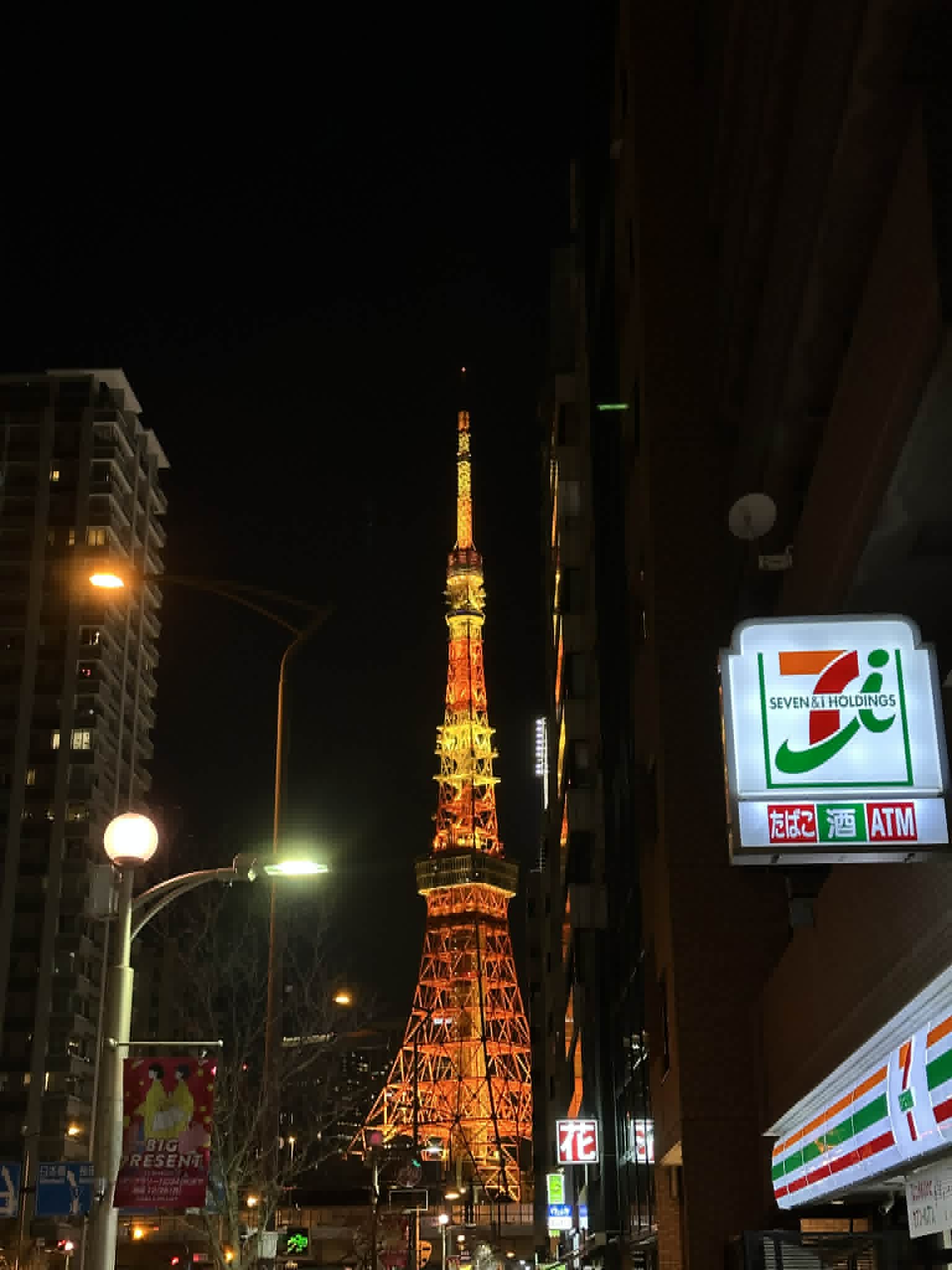
- Zojo-ji (near Tokyo Tower, Minato): the visual highlight: Tokyo Tower lit in special colours behind the temple bell.
5,000+ paper balloons released at midnight carrying visitor New Year wishes. Less overwhelmingly crowded than Senso-ji; arrive 10:30pm for a reasonable position
- Senso-ji (Asakusa): Tokyo's most famous Buddhist temple; 50,000+ visitors gather for the bell. Free entry; arrive by 10:30pm; expect to be in a slow-moving crowd through the night
- Naritasan Shinshoji (Chiba, 60 min from Tokyo): outside city limits; 3M+ visitors over the three days following midnight. More room than central Tokyo venues
- Kanda Myojin (Akihabara area): the smaller alternative with shorter queues; popular with the IT + electronics industry crowd for first-shrine-visit blessings
Hatsumode 2027 (First Shrine Visit, January 1-3, 2027): Meiji Jingu (Shibuya) is Japan's most-visited Hatsumode shrine, with 3M+ visitors over the three days starting Jan 1. Senso-ji (Asakusa) attracts similar numbers; Naritasan Shinshoji (Chiba) is the second-largest in Japan.
Expect 1-3 hour queues at Meiji Jingu on Jan 1-2.
Jan 1 morning sunrise visits (7-8am) catch the lightest crowds + extraordinary first-light atmosphere.
The Yasukuni Shrine + Kanda Myojin are calmer central-Tokyo alternatives.
#Getting Around
Tokyo's transport network is the world's most efficient.
Narita Airport connects to central Tokyo via the Narita Express (90 min, ¥3,070) or the Keisei Skyliner to Ueno (53 min, ¥2,570).
Haneda Airport is closer: the Keikyu Line reaches Shinagawa in 35 minutes (¥600).
Pick up a Suica or Pasmo IC card at the airport (¥500 deposit): works on every train, subway, bus, and convenience store nationwide. Snow falls in central Tokyo once or twice a year at most; trains run with minor delays but rarely stop. For New Year (December 31-January 3), extra trains run to serve shrine visits but all major stations are packed; build in extra time. JR carriages are heated and comfortable throughout winter.
#Budget & Costs
| Travel style | Early Dec | Year-end |
|---|---|---|
| Budget | ~¥5,000–8,000 | ~¥8,000–12,000 |
| Mid-range | ~¥13,000–22,000 | ~¥20,000–30,000 |
| Luxury | ~¥45,000+ |
December pricing is split: early-to-mid December is moderate and similar to November, but Christmas week through New Year is among the year's most expensive periods.
Hotels can double from December 23–January 3, so book 3–4 months ahead for year-end stays.
Hostels run ¥2,500–5,000/night with seasonal variation and business hotels ¥7,000–18,000 depending on dates.
Warm street food is ¥300–600, ramen and udon ¥500–1,000, lunches ¥1,000–1,500 and dinners ¥3,000–5,000, with IC card transit at ¥800–1,200/day.
What things cost:
| What | Price |
|---|---|
| Winter illuminations | Free |
Where the money actually goes:
- Twelve days cost roughly double the other nineteen. December 23 to January 3 is the expensive window; everything before it is priced like November.
- Restaurants are the constraint, not the rooms. Bonenkai season books popular places out weeks ahead, so reserve early or lean on konbini hot food, which is genuinely excellent.
- The illuminations are free across the city. They are also fully installed well before the expensive dates begin.
- KFC Christmas orders open in October. The tradition is real and the queues are long, so order ahead if you want to take part.
December in Tokyo is the rare case where the cheap half and the expensive half offer nearly the same experience. The illuminations, the year-end food and the department-store displays are all in place from early in the month, when rooms cost roughly half. What the year-end window adds is Hatsumode, the temple bells and a genuine sense of occasion, and if those are the point then the premium is justified. If they are not, the first three weeks of December give you the winter city, the lights and the food at November rates. Tipping is not customary at any level.
#Where to Stay in Tokyo in December
December splits Tokyo into two different trips. Up to about the 27th the city is in illumination season, cold and clear, with Marunouchi lit through to February and Christmas Eve functioning as the year's biggest date night. From the 28th it becomes a logistics exercise: Winter Comiket takes over Tokyo Big Sight in Odaiba from the 29th to the 31st, temple bells ring in the new year at midnight, and three million people go to Meiji Jingu for hatsumode between the 1st and 3rd. Which half you are booking should decide which side of the bay you sleep on.
- Splurge: Grand Nikko Tokyo Daiba (Odaiba). Upper floors look across Tokyo Bay to the Rainbow Bridge and Tokyo Tower, and there is an indoor pool and six restaurants including a grill on the 30th floor. If Comiket is your reason for coming, this puts Tokyo Big Sight within Odaiba rather than at the end of a packed 45-minute commute, and central Tokyo is still 20 minutes away by monorail and train.
- Sweet spot: Hyatt Centric Ginza Tokyo (Ginza). Ginza Station 350 metres, Yurakucho 550, and the Marunouchi illuminations a short walk beyond that. December evenings in Tokyo are for walking lit streets and then getting warm quickly, and the in-room hot tub handles the second half of that.
- Budget: Shinjuku Washington Hotel (Nishi-Shinjuku). Compact rooms, a 24-hour convenience store, microwaves in the lobby and three restaurants, 500 metres from Tochomae. In a month where the point is to be out after dark looking at lights, this is the right amount of hotel for the money.
December is dry and cold with the year's clearest air, and rates are reasonable until about the 26th, after which the new-year period tightens sharply and stays tight through the 3rd. If your dates are flexible, the first three weeks are the value window, and the illuminations are already fully up by early December. Each link opens Booking.com with December dates already filled in and that property at the top of the results. Nothing is locked in from there: change the dates, switch neighbourhood, or search an entirely different destination in the same visit.
For the other neighbourhoods, and every hotel we have verified across Tokyo, see our full guide to where to stay in Tokyo.
Hotel links are affiliate links. We may earn a small commission if you book, at no extra cost to you.
#Food & Dining

Toshikoshi Soba (Year-Crossing Noodles, December 31st) On New Year's Eve, Japanese people eat toshikoshi soba: buckwheat noodles that represent crossing from one year to the next. The long noodles symbolise a long life; the tradition is to eat them before midnight and leave none behind. Many soba restaurants in Tokyo extend their hours on December 31st specifically for this custom. The most atmospheric setting is a traditional soba shop in a neighbourhood like Kanda or Azabu: unpretentious, focused, and deeply Japanese.
KFC Christmas (Japan's Most Surprising Culinary Tradition) Since a 1974 marketing campaign, fried chicken from KFC has become the definitive Christmas meal for millions of Japanese families. The Christmas barrel sets (¥3,000–5,000, pre-ordered months in advance) sell out nationwide. Walk-in queues on December 24th–25th can reach 2–3 hours at Tokyo KFC locations. This is not a joke; it is a genuine national tradition, and experiencing it (whether by queuing or by observing the queues) is one of the more surreal and endearing cultural encounters December Tokyo offers.
Christmas Cake (White and Strawberry) The Japanese Christmas cake is a specific object: a round white sponge cake layered with whipped cream and topped with whole strawberries. Every bakery, convenience store, and department store basement produces them from late November; pre-ordering is conventional (though walk-in availability is fine until December 23rd). The convenience store version (FamilyMart and Lawson both produce excellent ones at ¥1,500–2,500) is genuinely good.
Winter Hot Pot (The Month's Comfort Food) December nabe is a full cultural institution: families and office groups gather around bubbling clay pots, sharing food and pouring drinks for each other in a social ritual that the summer's air conditioning and cold noodles make impossible. Yose nabe (mixed vegetable and seafood broth) and sukiyaki (sweet soy and sugar broth with beef) are the most communal; fugu (blowfish) hot pot is available at licensed specialist restaurants for ¥15,000–30,000 per person and is a specifically December luxury for Japanese diners.
#Nightlife
December nightlife revolves around bonenkai: the izakaya circuit is at its most animated and full of the specific warmth of group celebrations. Golden Gai in Shinjuku operates at full energy throughout December, and the Christmas week evenings (December 23–25) bring a different quality: more couples, more deliberate celebrations, more booking-required restaurants doing their best work. The illumination circuits naturally extend into evening walks that pair with bars and dinner: Caretta Shiodome to Ginza bars, Marunouchi to Tokyo Station-area restaurants, Roppongi Hills to the Roppongi cocktail bars.
New Year's Eve is a separate creature: quieter than Western equivalents (the Japanese new year is a domestic, temple-visiting tradition rather than a party tradition), with crowds gathering at Senso-ji, Zojo-ji, and Meiji Jingu from 11pm for the first bell or first prayers of the year. The atmosphere is reflective rather than celebratory in the Western sense.
#Shopping
Year-End Sales and Winter Collections The year-end sale period opens in mid-to-late December in some stores, with the full biannual sale season launching on January 2nd (see the January guide). December itself carries targeted promotions on winter fashion, electronics, and housewares. Akihabara is particularly active in late December, with electronics shops offering end-of-year deals.
Gift Season Japanese gift-giving in December centres on oseibo: year-end gifts sent to people who have helped or cared for you through the year. Department store gift floors operate at full capacity with elaborate packaged food sets, sake, and seasonal goods. The depachika (basement food halls) stock the most beautiful Japanese artisanal food gifts of the year: aged soy sauce, regional sake sets, handmade confectionery, and dried goods in lacquered boxes.
#Culture & Etiquette
New Year's Eve Shrine Visits: Arriving at Senso-ji, Meiji Jingu, or Zojo-ji on December 31st before midnight places you in a crowd of hundreds of thousands. Dress warmly, arrive early to find a good position near the temple gate, and be prepared to wait in the cold. The bell rings 108 times at Buddhist temples (the number of earthly desires in Buddhist philosophy); the first ring sounds just before midnight.
Christmas Sensitivity: Christmas in Japan is secular and commercial: there is no religious observance outside of Christian minority communities. The decorations, cakes, KFC, and illuminations are cultural and commercial rather than spiritual. Participating fully, including buying the Christmas cake and watching the illumination shows, is entirely appropriate.
#Essential Local Phrases
| Phrase | Japanese | Pronunciation |
|---|---|---|
| Merry Christmas | メリークリスマス | Merī Kurisumasu |
| Happy New Year (said before New Year's) | よいお年を | Yoi otoshi wo |
| Thank you | ありがとうございます | Arigatou gozaimasu |
| Excuse me / Sorry | すみません | Sumimasen |
| How much? | いくらですか? | Ikura desu ka? |
| One hot sake please | お燗を一つください | Okan wo hitotsu kudasai |
| Delicious | おいしい | Oishii |
| Do you have English menus? | 英語のメニューはありますか? | Eigo no menyu wa arimasu ka? |
#Packing List
- A warm winter coat: December evenings reach 2–3°C by month's end
- Warm layers: thermal base, mid-layer, outer coat
- Gloves, scarf, and warm hat: essential for illumination walks and New Year's Eve temple visits
- Waterproof or water-resistant shoes: December rain is cold when it comes
- Hand warmers (kairo): indispensable for outdoor evening events
- A camera with good low-light performance: the illumination shows reward it
- Book any December 24th dinner reservation before arriving; these are booked out weeks in advance
- Pre-order KFC Christmas if you want the authentic experience: ordering opens in October
#Backup Plans
If it rains during the illumination season: Most major illuminations run regardless of rain; the wet pavement and reflections actually improve many of the displays, particularly Marunouchi's gold trees reflected in the puddles. Caretta Shiodome is partially covered. Bring a clear umbrella (available everywhere for ¥500–700) and go.
If bonenkai crowds make restaurant booking impossible: Conveni (convenience store) hot meals in December are genuinely excellent: oden from the heated counter, steamed bao, hot sandwiches, and the Christmas cake are all available without booking. Eat counter-style at a warm konbini and spend the evening walking the illumination circuits rather than sitting in a crowded restaurant.
If you're spending New Year's Eve in Tokyo: The correct move is Zojo-ji near Tokyo Tower rather than Senso-ji for a slightly less overwhelming crowd. The tower is lit specially and the temple bell (plus the visual of the tower above) is a beautiful combination. Dress for 2°C standing outdoors for 90 minutes, bring warm drinks, and arrive by 10:30pm for a reasonable position.
#Safety & Health
December in Tokyo is cold but manageable: temperatures typically range from 3-10°C, dropping near freezing on clear nights. Dress in warm layers, especially for evening illumination walks where you may stand outdoors for extended periods.
Flu season peaks in December and January; wearing masks on crowded trains is standard practice. Wash hands frequently and consider a flu vaccination before travel. The dry winter air dehydrates skin and airways: carry moisturiser and drink water despite the cold. Year-end crowds at shopping districts (Shibuya, Shinjuku, Ginza) and at hatsumode temples (December 31 onward) can be intense; keep belongings secure and follow crowd-control instructions from police. Rare snowfall can disrupt above-ground train services briefly, but the underground Metro system is unaffected. Tap water is safe everywhere in Japan. Tokyo is extremely safe even during the festive season.
Emergency numbers: 110 (police), 119 (ambulance/fire). Pharmacies are well-stocked with cold and flu remedies, though pseudoephedrine-based decongestants and certain painkillers are restricted (see Getting Around for Yunyu Kakunin-sho import certificate context). Travel insurance is strongly recommended, especially for year-end trips when cancellation costs are high.
#What's Changed for 2026/2027 Travellers
- Winter Comiket 109 = Tue-Thu Dec 29-31, 2026 at Tokyo Big Sight (240,000+ attendees over 3 days; free entry; cosplay peak Day 3)
- Marunouchi Illumination 2026 = mid-November 2026 through approximately Feb 15, 2027 (1.2km ginkgo-tree lighting along Nakadori; Gyōkō-dōri lit Nov 28-Dec 25 with NEW Christmas market featuring 19 pop-up stores + first-ever Christmas tree)
- Christmas Eve 2026 = Thursday December 24 (Fri-Sat-Sun Dec 25-27 = year's longest pre-NYE celebration weekend; restaurants book out mid-October)
- Joya no Kane Thu Dec 31 from 11:30pm at major Tokyo temples (Zojo-ji with Tokyo Tower backdrop + 5,000 paper balloons at midnight = visual highlight; Senso-ji 50,000+ visitors; Naritasan Shinshoji 3M+ over 3 days)
- Hatsumode 2027 = Jan 1-3 (Meiji Jingu 3M+ visitors over 3 days = Japan's most-visited; Senso-ji similar density; Jan 1 morning 7-8am sunrise visits catch lightest crowds)
- Tokyo Marathon 2027 lottery results = mid-September 2026 (December visitors who applied in Aug 2026 receive notification mid-September; race March 7, 2027)
- Mt Fuji clear-view ~60% probability from Tokyo Skytree in December: tied with January as the year's peak visibility window (6-8am sunrise slot recommended)
- Yunyu Kakunin-sho medication import certificate: restricted: pseudoephedrine, codeine, ADHD stimulants (Adderall + Concerta with amphetamine salts); 4-6 week MHLW application required; carry translated doctor's note as backup
- Hatsumode shrine donations typically ¥5-¥500 (most common coins; ¥5 = "go-en" = "fortunate connection" pun; ¥500 for major shrines = generous)
- First-week-of-January 2027 (Jan 5-12) value alternative: Hatsumode crowds clear by Jan 4; hotel rates drop 50-70% from Dec 28-Jan 3 peak; same winter weather
#About This Guide
This Tokyo in December 2026 guide reflects 2025-2026 source data including Tokyo Cheapo Winter Comiket 2026 listing, Marunouchi Illumination 2026 dates via Tokyo Cheapo, Caretta Shiodome Winter Illumination, GO TOKYO winter illumination guide, Time Out Tokyo Hatsumode 2026 guide, ANA Meiji Jingu visitor planner, Tokyo Marathon 2027 race information, Tokyo Skytree visibility data, JMA Otemachi climate normals, Bank of Japan FX rates, and Embassy of Japan Yunyu Kakunin-sho import-certificate guidance. Verified May 22, 2026.
By Harry Nara · written for travellers planning trips around concrete event dates and exact 2026 pricing.
You might also like
Destinations picked for travellers with similar taste or climate.
Frequently Asked Questions
When are the major events in Tokyo in December 2026?
Three concentrated anchors. Winter Comiket 109 = Tue-Thu Dec 29-31 at Tokyo Big Sight (240,000+ attendees over 3 days; world's largest fan convention; free entry; Day 3 has best cosplay). Christmas Eve = Thu Dec 24 (Japan's biggest couple's night; restaurants book mid-October ahead). Joya no Kane = Wed Dec 31 from 11:30pm at major temples (Zojo-ji with Tokyo Tower backdrop + 5,000 paper balloons at midnight is the visual highlight; Senso-ji 50,000+ visitors; Naritasan Shinshoji 3M+ over 3 days). Marunouchi Illumination runs mid-November 2026 through Feb 15, 2027 (1.2km ginkgo trees + Gyoko-dori Christmas market Nov 28-Dec 25). Caretta Shiodome 'Canyon of Light' + Tokyo Midtown Christmas + Ice Rink + Yebisu Garden Place + Shibuya Blue Cave all run through late December.
How crowded is Tokyo for Hatsumode 2027?
Extraordinary. Meiji Jingu (Shibuya) is Japan's most-visited Hatsumode shrine with 3M+ visitors over the three days starting January 1, 2027. Senso-ji (Asakusa) attracts similar numbers; Naritasan Shinshoji (Chiba, 60 min from Tokyo) is the second-largest in Japan with 3M+ visitors. Expect 1-3 hour queues at Meiji Jingu on Jan 1-2. Jan 1 morning sunrise visits (7-8am) catch the lightest crowds + extraordinary first-light atmosphere. Yasukuni Shrine + Kanda Myojin (Akihabara area) are calmer central-Tokyo alternatives. First week of January 2027 (Jan 5-12) drops hotel rates 50-70% from Dec 28-Jan 3 peak with same winter weather and Hatsumode crowds cleared.
What's the weather like in Tokyo in December 2026?
Winter clarity peak. JMA Otemachi 1991-2020 normals: avg highs 12°C / 54°F early December dropping to 10°C / 50°F by month-end; avg lows 3°C / 37°F dropping to 1-2°C late month. Crisp + dry. Mt Fuji clear-view from Tokyo Skytree Tembo Galleria ~60% probability (tied with January as year's peak visibility window). Snow falls in central Tokyo once or twice a year at most; trains run with minor delays but rarely stop entirely. 6-8am sunrise slot at Tokyo Skytree is best photography window (¥1,800 advance ticket).
How much does a Tokyo December 2026 trip cost?
December is split between moderate early-month and expensive Christmas-NYE peak. Hotels can double from Dec 23-Jan 3; book 3-4 months ahead for year-end stays. Budget travellers manage on ¥5,000-8,000/day in early December rising to ¥8,000-12,000/day over the holidays. Mid-range ¥13,000-22,000/day early month up to ¥20,000-30,000/day year-end. Luxury starts at ¥45,000+/day for New Year period stays at Park Hyatt, Mandarin Oriental, Aman, Andaz. Winter illuminations are free citywide. KFC Christmas dinner orders open in October. Tipping is not customary.