At a Glance
Compared to this destination's peak season The holiday season brings intense crowds to Midtown — Rockefeller Center, Times Square, and 5th Avenue are exceptionally busy from Thanksgiving through New Year's Eve.
New York in Winter — Travel Guide
By Harry Nara · Last updated
New York City in Winter offers some of the best conditions of the year, ideal for holiday magic & ice skating. Expect temperatures of -1–5°C, around 10–11 days of rain, and high crowds across the city. Daily budgets typically land around $90–200 for mid-range travellers. Book accommodation two to three months ahead — the most popular rooms sell out fast during peak visiting windows.
Contents16 sections
- At a Glance
- Weather in New York City in Winter
- December to February in New York
- What to Do in New York City in Winter
- Getting Around
- Budget & Costs
- Food & Dining
- Nightlife
- Shopping
- Culture & Etiquette
- Essential Local Phrases
- Packing List
- Backup Plans (Blizzard Days)
- Safety & Health
- What's New for Winter 2026/27
- About This Guide
#At a Glance
Winter in New York runs from the lights of December to the grey cold of February, and the two halves feel like different cities.
December is the holiday season at full volume: the Rockefeller Center tree, the window displays on Fifth Avenue, the skating rinks, Hanukkah from the evening of Friday 4 December 2026, and New Year's Eve in Times Square on Thursday 31 December.
After New Year the crowds vanish, and January and February bring the coldest weather, the chance of snow, and the lowest hotel prices of the year, with Restaurant Week, cheaper Broadway seats and Lunar New Year on Saturday 6 February 2027. Dress properly for the cold, and winter rewards you with a calmer, cheaper, very beautiful city.
#Weather in New York City in Winter
New York City in Winter averages -1–5°C (30–41°F) with around 10–11 days of rain, and crowds are high.
| Month | Daytime high | Overnight low | Wet days | Sunset |
|---|---|---|---|---|
| December | About 6°C / 43°F | About 1°C / 34°F | About 11 | 4:28pm in the second week, the earliest of the year |
| January | About 4°C / 39°F | About -2°C / 28°F | About 11 | 5:11pm by the 31st |
| February | About 6°C / 43°F | About -1°C / 30°F | About 10 | 5:45pm by the 28th |
Figures are NOAA 1991–2020 normals for Central Park.
What that actually means for your trip:
- It is cold, and the wind makes it colder. Temperatures hover around freezing, and the wind off the rivers and down the avenues bites.
- Snow comes most winters, usually in January and February; a big storm can close schools and slow buses for a day or two, though the subway keeps running.
- The days are short. In December the sun sets before 4:30pm, so plan outdoor sightseeing for the morning.
- Slush and ice linger on the crossings after snow.
Is winter a good time to visit New York? Yes, in two different ways. December is magical but crowded and expensive, especially around Christmas and New Year. January and February are cold, but the hotels are at their cheapest, the museums and Broadway are easier to get into, and a fresh snowfall makes the city beautiful.

#December to February in New York
December. The Rockefeller Center tree is usually lit on the Wednesday after Thanksgiving, which is 2 December 2026, and stays up until early January. The department stores unveil their holiday windows, the Bryant Park Winter Village and other holiday markets are open, and Hanukkah begins on the evening of Friday 4 December, with giant menorahs lit at Grand Army Plaza.
Christmas Day, Friday 25 December, is quiet, with many restaurants and most shops closed.
New Year's Eve, Thursday 31 December 2026, brings the ball drop in Times Square; see our Times Square New Year's Eve guide.
January. New Year's Day, Friday 1 January 2027, is a public holiday.
Winter Jazzfest fills the clubs of the Village in early to mid-January, Martin Luther King Jr. Day is Monday 18 January, and NYC Restaurant Week usually runs from late January into February.
February. Lunar New Year, Saturday 6 February 2027, is celebrated in Manhattan's Chinatown and in Flushing, with a parade usually held on a weekend later in the month.
Valentine's Day fills the restaurants, Presidents' Day is Monday 15 February, and New York Fashion Week takes place in the middle of the month.
#What to Do in New York City in Winter

Solo Travellers
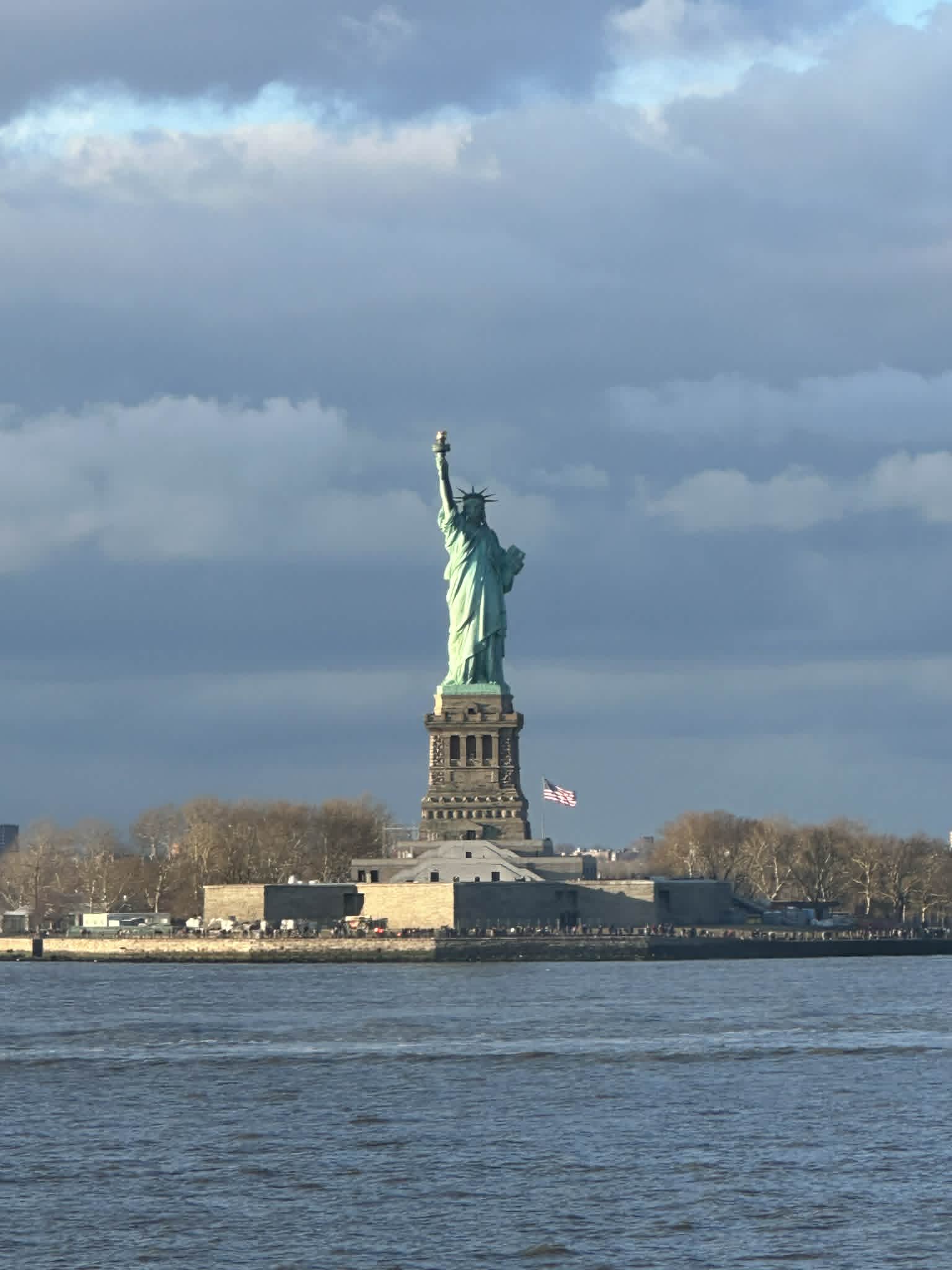
Take the free Staten Island Ferry for the harbour and the Statue of Liberty from the deck, then spend a long afternoon at the Metropolitan Museum of Art or MoMA. In January, catch a show at Winter Jazzfest.
Couples
Skate at Wollman Rink in Central Park, with the Midtown skyline above the trees, then hot chocolate and a Broadway show. In December, walk the holiday windows of Fifth Avenue after dark.
Families
The holiday train show at the New York Botanical Garden, the American Museum of Natural History and the free-admission rink at Bryant Park are winter favourites.
After a snowfall, Pilgrim Hill in Central Park is the place to go sledging.
Groups
Book a table for a long, warm meal: dumplings in Chinatown or Flushing, a steakhouse in Midtown, or a Lunar New Year banquet in February. A comedy club in the Village rounds off the night.
#Getting Around
Winter flights land at three airports with rail or bus links: the AirTrain from JFK to the subway, the free Q70 bus from LaGuardia, and NJ Transit trains from Newark to Penn Station.
Pay with OMNY, a contactless card or phone: $3 a ride, capped at $35 in any seven days.
The subway runs through the snow and is the warmest way to travel; buses slow down after a storm, and taxis are hard to find when it starts snowing. On New Year's Eve, streets around Times Square close from the afternoon.
#Budget & Costs
| Travel style | Per day | What it covers |
|---|---|---|
| Budget | $110–170 | Hostel bed, cheap eats, OMNY travel, free museums and rinks |
| Mid-range | $280–450 | 3- or 4-star hotel, restaurant meals, a Broadway show |
| Luxury | $850+ | Top hotels, fine dining, premium seats |
Prices peak from mid-December to New Year and fall to their lowest of the year in January and February.
Costs worth knowing:
| What | Price |
|---|---|
| Subway or bus ride | $3 |
| OMNY weekly cap | $35 |
| Bryant Park rink admission | Free, skate hire extra |
| Staten Island Ferry | Free |
| Restaurant tip | 18–20% |
- Hotel taxes are added on top of the room rate.
- Broadway discounts are easiest to find in January and February.
- Book December early, especially Christmas week and New Year's Eve.
#Food & Dining

Winter is the season for hearty food: soup dumplings, ramen, pastrami at Katz's, and a slice of pizza on the way between museums.
Restaurant Week from late January brings set-price menus at well-known restaurants. In December, book well ahead for any dinner near Christmas and New Year; in January and February, tables are much easier to get.
#Nightlife
Winter nights are spent indoors: the jazz clubs of the Village, comedy clubs, cocktail bars and Broadway. New Year's Eve is the biggest night of the year, with parties at every bar; book ahead and expect a cover charge. After New Year, the city's bars are calmer and more local.
#Shopping
December is holiday shopping season, with the markets at Bryant Park, Union Square and Columbus Circle and the department stores of Fifth Avenue and Herald Square.
The January sales clear the winter stock, with discounts deepening through the month.
#Culture & Etiquette
- Tipping is expected: 18–20% at restaurants, a dollar or two a drink at bars.
- Coats come off indoors; restaurants and theatres usually have a cloakroom.
- Walk where the snow has been cleared, and give way on narrow paths.
- Keep moving on the pavement, and step aside to stop.
#Essential Local Phrases
| What you want to say | What New Yorkers say |
|---|---|
| Melted snow at the kerb | Slush |
| A big winter storm | A Nor'easter |
| A day off school for snow | A snow day |
| The corner shop | The bodega |
| Queueing | Waiting on line |
| The holiday window displays | The windows |
| Manhattan, from the other boroughs | The City |
| The ball drop | New Year's Eve in Times Square |
#Packing List
- A long, windproof coat with a hood
- Thermal underlayers and a fleece
- Insulated, waterproof boots
- Hat, gloves and scarf, plus touchscreen gloves for your phone
- Lip balm and moisturiser for the dry cold
- A contactless card or phone for OMNY
#Backup Plans (Blizzard Days)
When a blizzard is forecast, base the day on museums with subway stations close by, such as the Met, the Natural History Museum and MoMA, since the trains keep moving long after the buses stop. Broadway matinees usually go ahead, and the New York Public Library on Fifth Avenue is free and warm.
If the wind chill makes walking miserable: go underground and indoors, through the concourses of Grand Central and Rockefeller Center, and into Chelsea Market for lunch.
If the holiday crowds are too much: visit the Rockefeller tree late at night, and the windows on a weekday morning.
#Safety & Health
New York is generally safe; keep bags and phones close in the holiday crowds and on the subway. The cold is the hazard: black ice on kerbs and steps, numb fingers and ears in a strong wind, and dehydration from the dry heating indoors. Wear grippy boots, keep hands and ears covered, and drink water.
Emergency: 911, or 311 for city information.
#What's New for Winter 2026/27
- Hanukkah begins on the evening of Friday 4 December 2026
- New Year's Eve falls on Thursday 31 December 2026, and New Year's Day on a Friday
- Martin Luther King Jr. Day is Monday 18 January 2027
- Lunar New Year falls on Saturday 6 February 2027
- The subway fare is $3, capped at $35 in any seven days
#About This Guide
By Harry Nara (founder of WhenToWander), updated October 2026 for winter 2026/27. Climate figures are NOAA 1991–2020 normals for Central Park. Dates and prices verified against:
- Times Square Alliance for New Year's Eve
- Hebcal for the dates of Hanukkah
- Rockefeller Center for the tree
- Bryant Park for the Winter Village rink
- MTA for subway fares and the OMNY cap
For each month in detail, see New York in December, New York in January and New York in February.
You might also like
Destinations picked for travellers with similar taste or climate.
Frequently Asked Questions
How cold does New York get in winter?
Cold: average highs are about 4–6°C and lows around freezing from December to February, with January the coldest month. The wind makes it feel colder, and snow is likely at some point, especially in January and February.
Where can I ice skate in New York in winter?
Wollman Rink in Central Park, the rink at Rockefeller Center below the tree, and the Bryant Park rink at the Winter Village, where admission is free and you pay only to rent skates. Go on a weekday morning for the shortest queues.
Is New Year’s Eve in Times Square worth it?
For the experience, perhaps, but it is a long, cold wait: the viewing pens open in the afternoon and fill from the south, with no toilets and no re-entry. Many visitors prefer a party with a view of the fireworks elsewhere, or watching the ball drop on a screen in a bar.
Does New York shut down for snowstorms?
Rarely. A big storm can close schools and slow the buses for a day or two, but the subway keeps running and most museums and Broadway shows go ahead. Check the MTA and city alerts, and plan an indoor day.
How much does it cost to visit New York City in Winter?
Budget-conscious travellers can expect daily costs of $90–200, covering accommodation, food, and local transport. Prices climb during peak weeks — book early to lock in the lower end of this range.